What is customer sentiment analysis, and why are businesses suddenly investing heavily in it in 2026? The answer is simple: customer emotions now directly impact online reputation, customer loyalty, and revenue growth faster than ever before.
A single negative experience can spread across Google reviews, social media, and review platforms within hours. That is why businesses across the USA are using AI-powered customer sentiment analysis tools to track customer emotions, identify problems early, and improve customer experience in real time.
From restaurants and SaaS companies to healthcare clinics and retail brands, modern businesses rely on analytics dashboards, collection tools, and reputation management tools to understand what customers truly think before small frustrations become public reputation problems.
What Is Customer Sentiment Analysis?
Customer sentiment analysis is the process of using AI, machine learning, and natural language processing (NLP) to identify customer emotions, opinions, and attitudes from reviews, surveys, emails, chats, and social media conversations.
It helps businesses determine whether customer feedback is:
Positive
Negative
Neutral
Frustrated
Satisfied
Angry
Loyal
Confused
Modern sentiment analysis tools do more than count keywords. They analyze emotional intent, buying behavior, urgency, and satisfaction patterns in real time.
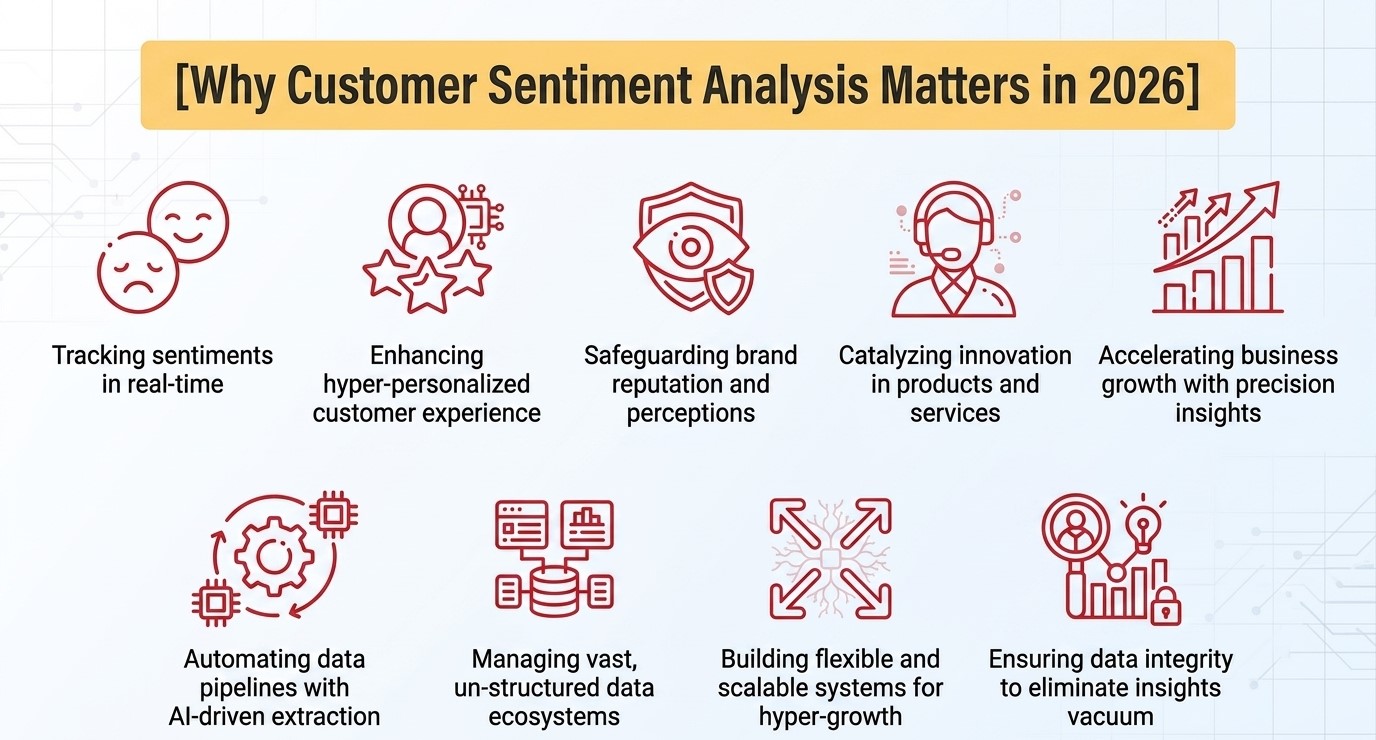
Why Customer Sentiment Analysis Matters in 2026
In 2026, customer expectations are higher than ever.
People expect:
Instant responses
Personalized experiences
Fast issue resolution
Transparent communication
Better customer service
Businesses using AI-powered customer sentiment analysis can identify problems before they become public reputation disasters.
Real Example
A restaurant chain in Texas noticed increasing negative sentiment around delivery delays through its analytics dashboard. Instead of waiting for poor Google reviews to pile up, the company fixed staffing issues within days.
Result:
32% fewer negative reviews
Higher repeat orders
Improved customer satisfaction scores
This is the difference between reactive businesses and proactive brands.
How Customer Sentiment Analysis Works
Most modern customer sentiment analysis systems follow four main steps.
1. Data Collection
The software gathers customer feedback from:
Google reviews
Yelp reviews
Surveys
Emails
Chatbots
Social media
Support tickets
SMS feedback
This is where advanced collection tools become important.
2. AI & NLP Processing
The system uses:
Natural Language Processing (NLP)
Machine learning
Emotion detection
Intent recognition
It identifies emotional patterns inside customer conversations.
Example:
The food was good but delivery was painfully slow.
The system detects:
Positive product sentiment
Negative service sentiment
3. Sentiment Scoring
Most platforms assign scores such as:
Positive
Negative
Neutral
Urgent complaint
High-risk customer
Some reputation management tools also prioritize customers likely to leave damaging public reviews.
4. Reporting Through Analytics Dashboards
Businesses can monitor:
Customer satisfaction trends
Negative review spikes
Staff performance
Service quality
Customer loyalty signals
Modern analytics dashboards now provide real-time alerts for reputation risks.
Types of Customer Sentiment Analysis
Rule-Based Sentiment Analysis
Uses predefined keywords and phrases.
Best For:
Small businesses
Basic review monitoring
Limitation:
Cannot fully understand sarcasm or emotional nuance.
AI-Based Sentiment Analysis
Uses advanced machine learning models.
Best For:
Large businesses
Multi-location brands
Restaurants
SaaS companies
Enterprise reputation monitoring
Major Advantage:
Detects emotional intent with higher accuracy.
Key Features to Look for in Customer Sentiment Analysis Software
Choosing the right customer review management software matters more than most businesses realize.
Essential Features
Smart Collection Tools
Automates review requests through SMS, email, or QR codes.
AI Analytics Dashboard
Provides customer behavior insights.
Reputation Management Tool
Helps businesses respond faster to complaints.
Automation Features
Sends alerts for negative experiences automatically.
Real-Time Monitoring
Tracks reviews and feedback instantly.
Multi-Channel Feedback Tracking
Collects data from multiple customer touchpoints.
Competitor Benchmarking
Compares sentiment trends against competitors.
Real Business Benefits of Customer Sentiment Analysis
1. Reduces Negative Reviews
Businesses can resolve complaints before customers post public reviews.
2. Improves Customer Retention
Happy customers stay longer and spend more.
3. Enhances Customer Experience
Sentiment tracking identifies service weaknesses quickly.
4. Strengthens Brand Reputation
Businesses gain trust through faster responses and better experiences.
5. Increases Revenue
Companies using advanced customer feedback analytics often improve conversion rates and repeat purchases.
Expert Insight: The Biggest Mistake Businesses Make
Many businesses focus only on star ratings.
That approach is outdated.
A customer may leave.
A 5-star review with hidden frustration
A 3-star review with highly valuable improvement suggestions
Modern AI sentiment analysis tools detect emotional context that star ratings alone cannot reveal.
This is where businesses gain a major competitive advantage in 2026.
Customer Sentiment Analysis vs Traditional Feedback Systems
Traditional Feedback Systems
Delayed reporting
Manual review reading
Limited emotional analysis
Reactive customer service
AI Sentiment Analysis Systems
Real-time insights
Automated monitoring
Predictive issue detection
Emotional intelligence tracking
Faster reputation protection
Use Cases Across Industries
Restaurants
Restaurants use sentiment analysis to:
Detect service complaints
Improve delivery performance
Monitor food quality feedback
Increase repeat customers
Reputation management and customer sentiment analysis now work together to help restaurants improve customer experience and increase repeat visits. You can also explore our detailed guide on Restaurants Using Reputation Monitoring Tools Are Winning More Customers to learn how restaurants are using smart monitoring systems to grow faster in 2026.
Healthcare Clinics
Helps clinics identify:
Patient dissatisfaction
Appointment frustrations
Staff communication issues
SaaS Companies
Software businesses track:
Feature complaints
User frustration
Customer onboarding problems
Support satisfaction
Retail Businesses
Retailers monitor:
Product quality complaints
Shipping experiences
Customer support performance
Cost vs Value Analysis
Many businesses assume advanced sentiment tracking software is expensive.
However, the cost of ignoring customer feedback is often much higher.
Typical Pricing Factors
Number of locations
Monthly review volume
AI capabilities
Dashboard features
Automation tools
Small Business Tools
Usually affordable monthly subscriptions.
Enterprise Platforms
Higher cost but deeper AI insights and integrations.
ROI Reality
One prevented reputation crisis can save thousands in lost customers and advertising costs.
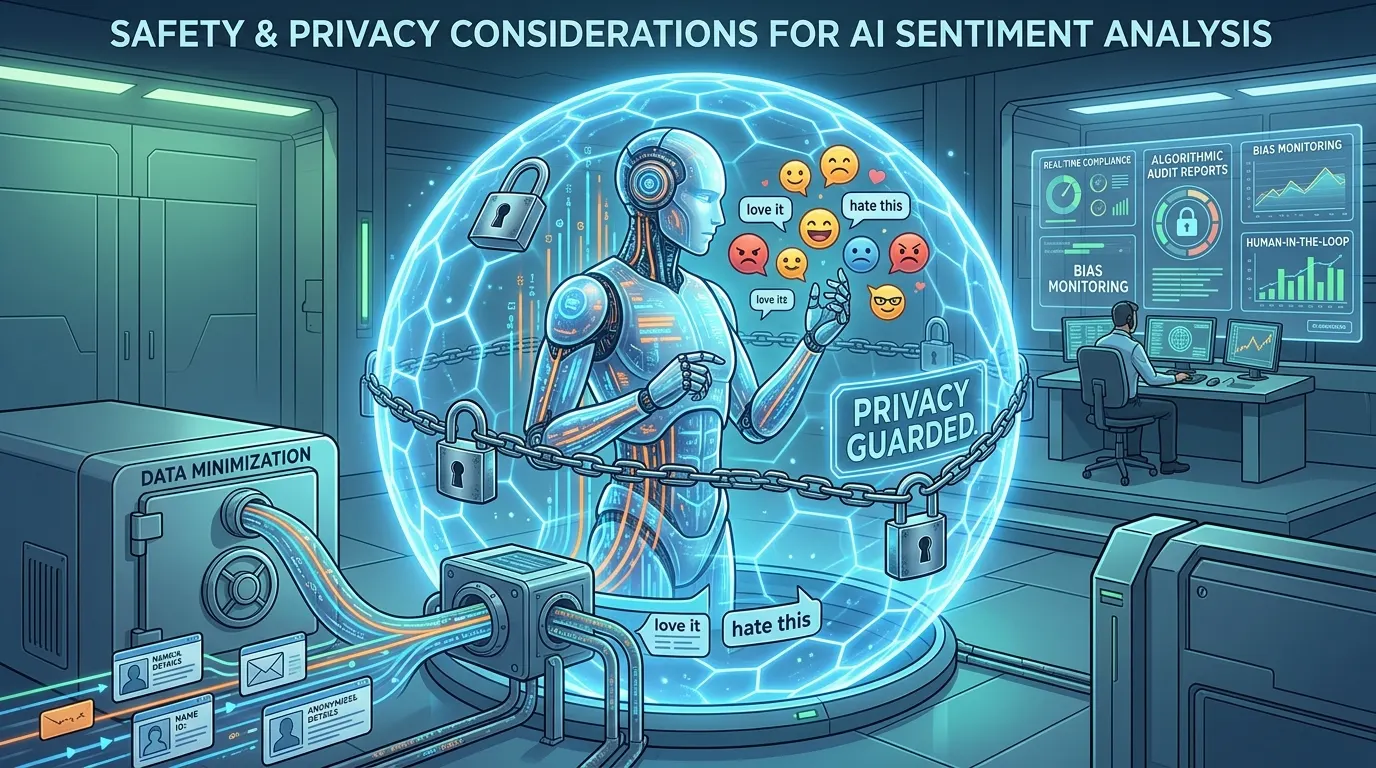
Safety & Privacy Considerations
Businesses should choose tools that:
Follow GDPR and data privacy laws
Secure customer information
Provide encrypted storage
Offer permission-based review collection
Trust matters more than ever in 2026.
Practical Tips for Better Customer Sentiment Tracking
Focus on Real-Time Alerts
Delayed responses often worsen customer frustration.
Analyze Negative Trends Weekly
Do not wait for monthly reports.
Combine AI With Human Review
AI detects patterns, but human understanding still matters.
Monitor Competitor Sentiment
Customer complaints about competitors often reveal market opportunities.
Common Mistakes Businesses Should Avoid
Ignoring Neutral Feedback
Neutral reviews often contain the most useful improvement suggestions.
Relying Only on Star Ratings
Emotional context matters more than numbers alone.
Using Too Many Collection Tools
Overcomplicated systems create inconsistent data.
Responding Too Slowly
Customers expect fast acknowledgement in 2026.
Customer Testimonials
Sarah M. — Restaurant Owner, Florida
After implementing AI sentiment tracking, we identified recurring service complaints we completely missed before. Negative reviews dropped within two months.
David R. — SaaS Founder, California
The analytics dashboard helped us discover onboarding frustrations affecting retention. Fixing those issues improved customer satisfaction dramatically.
Jessica L. — Retail Store Manager, Texas
Using automated reputation management tools allowed our team to respond faster to unhappy customers before complaints spread online.
Frequently Asked Questions
What is customer sentiment analysis?
Customer sentiment analysis uses AI and NLP technology to understand customer emotions from reviews, surveys, and online feedback.
Why is customer sentiment analysis important?
It helps businesses improve customer experience, reduce negative reviews, and protect brand reputation.
How does AI sentiment analysis work?
AI analyzes words, phrases, and emotional intent inside customer conversations to classify feedback as positive, negative, or neutral.
Which industries benefit most from sentiment analysis?
Restaurants, healthcare, retail, hospitality, SaaS, and customer service businesses benefit heavily from real-time feedback analysis.
Conclusion
Customer sentiment analysis is no longer optional for businesses that want to grow in 2026.
Customers expect brands to understand their frustrations, respond quickly, and improve experiences continuously. Businesses that fail to monitor customer emotions risk losing trust, visibility, and long-term loyalty.
The smartest companies now combine AI-powered analytics dashboards, reputation management tools, and customer review management software to turn feedback into measurable growth.
If your business wants to improve customer satisfaction, reduce negative reviews, and strengthen brand reputation, solutions from Trusted Optics can help you stay ahead in the competitive digital landscape.
Author Bio
Trusted Optics specializes in AI-powered customer feedback solutions, reputation management systems, and advanced customer review management software for modern businesses across the USA. The brand focuses on helping companies improve customer experience, strengthen online reputation, and drive long-term business growth through smart analytics and automation.
Written by
Alex Jones
Contributing writer sharing insights and expertise on customer experience and business growth.